Have you ever wondered why your protein powder might degrade faster in certain environments? The secret lies in understanding how Wintech Package protein powder packing can make or break your supplement’s quality and shelf life.
The protein powder manufacturing industry has witnessed explosive growth, with sales reaching over five billion dollars in the United States. Wintech Package stands at the forefront of innovative bulk protein packaging solutions that protect your nutritional investments across diverse climatic conditions.
Your protein powder packing strategy isn’t just about containment—it’s about preservation. Climate variations can dramatically impact product integrity, making sophisticated protein powder packing techniques critical for maintaining nutritional value and consumer trust.
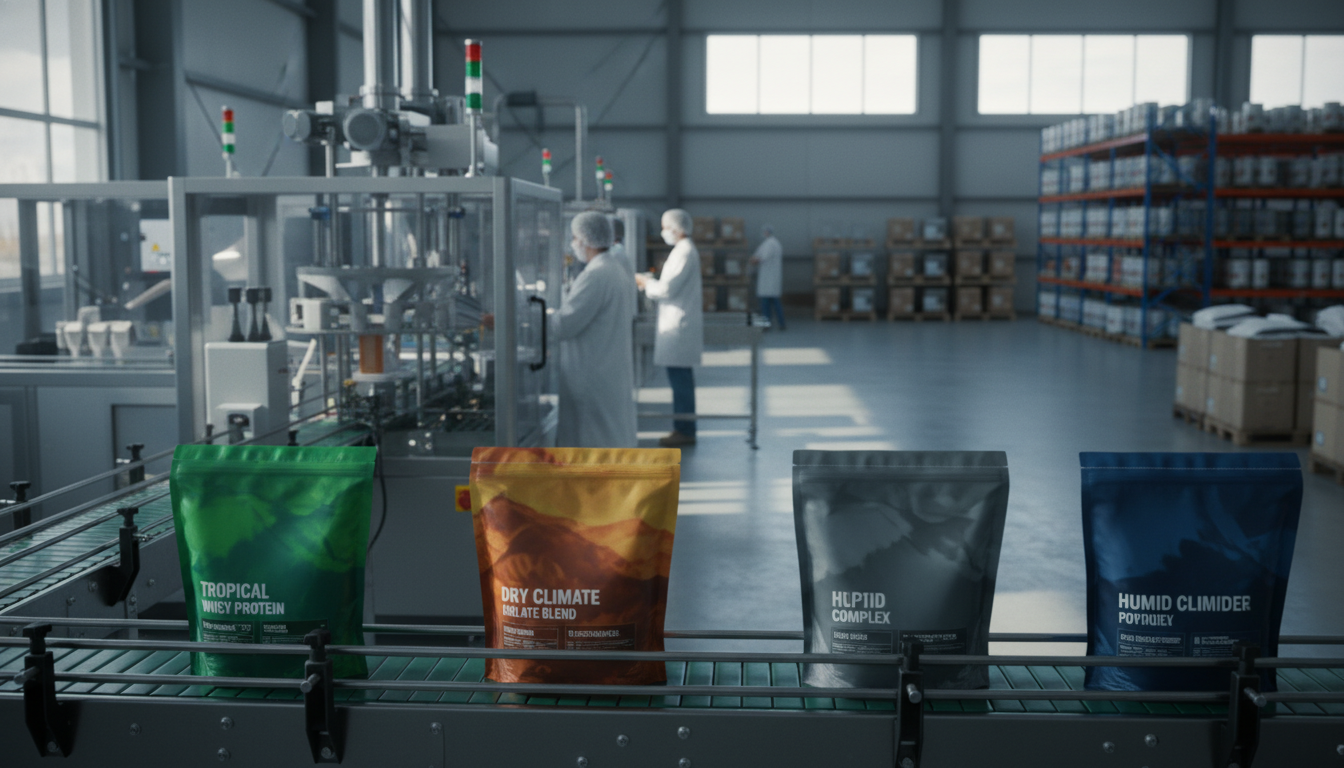
From coastal humidity to desert dryness, protein powder packing must adapt. Manufacturers need intelligent packaging solutions that shield products from temperature fluctuations, moisture, and environmental challenges.
Key Takeaways
- Protein powder packing is essential for maintaining product quality
- Climate significantly impacts supplement preservation
- Advanced packaging technologies protect nutritional integrity
- Different environments require specialized packaging strategies
- Proper packaging extends protein powder shelf life
Understanding Protein Powder Packing Needs
Protein powder packing is a critical aspect of sports supplement packaging that goes far beyond simple product containment. Your approach to whey protein containers can significantly impact product quality, shelf life, and customer satisfaction.
Navigating the complex world of protein supplement packaging requires a strategic understanding of multiple factors that influence product preservation and performance.
Importance of Proper Protein Powder Packing
Effective protein powder packing serves as a critical shield against environmental threats. Your whey protein containers must protect against:
- Moisture infiltration
- Oxygen exposure
- Temperature fluctuations
- Light degradation
Inadequate protein supplement packaging can lead to significant product quality issues, including:
- Nutrient degradation
- Clumping
- Microbial contamination
- Reduced shelf life
Common Climatic Challenges for Protein Powder Packing
Different US regions present unique challenges for protein powder packing. Your sports supplement packaging must adapt to diverse environmental conditions, from humid coastal areas to arid southwestern regions.
How Climate Affects Protein Powder Packing
Climate directly impacts the integrity of your protein supplement packaging. Temperature and humidity are critical factors that can dramatically reduce product quality and shelf life.
Research indicates that elevated temperatures can reduce whey protein stability by up to 50% compared to optimal storage conditions.
Selecting the right whey protein containers means understanding how environmental factors interact with your product’s molecular structure and packaging materials.
Best Practices for Protein Powder Packing
Protecting your nutritional supplement packaging requires strategic approaches that safeguard product quality across diverse environmental conditions. Protein powder packing demands careful consideration of materials, design, and preservation techniques to maintain optimal product integrity.
Successful protein powder packing relies on understanding complex environmental challenges and implementing robust protective strategies. Your packaging solutions must balance multiple critical factors to ensure product safety and consumer satisfaction.
Material Selection for Protein Powder Packing
Choosing the right materials for protein powder bags is crucial. Your packaging must provide superior protection against environmental factors. Consider these key material characteristics:
- Multilayer films with EVOH barriers
- Metallized protective layers
- High-density polyethylene (HDPE) containers
- Flexible stand-up pouches
Rigid containers offer excellent moisture resistance, while flexible protein packaging solutions provide cost-effective alternatives with modern aesthetic appeal.
Design Considerations in Protein Powder Packing
Packaging design plays a critical role in maintaining product quality. Your nutritional supplement packaging should incorporate advanced features:
- Induction-sealed aluminum foil barriers
- Moisture-absorbing desiccant packets
- Resealable closure mechanisms
- Nitrogen-flushing technology
Nitrogen-flushing creates a protective atmosphere by displacing oxygen, significantly extending your product’s shelf life.
Ensuring Product Integrity in Protein Powder Packing
Implementing rigorous quality control processes is essential. Your protein powder packing strategy should include comprehensive testing protocols:
- Accelerated aging tests
- Seal integrity verification
- Material compatibility assessments
- Temperature and humidity monitoring
Proactively managing these factors guarantees that your protein powder remains high-quality from production through consumer consumption.
Wintech Package Solutions for Protein Powder Packing
When it comes to protein powder packing, Wintech Package stands as a premier solution provider addressing the complex challenges of product preservation across diverse climatic conditions. Your protein container filling needs require sophisticated technologies that protect product quality, integrity, and nutritional value.
Wintech Package delivers cutting-edge protein powder packing solutions engineered to combat environmental variables. With advanced barrier technologies and precision filling equipment, we ensure your protein products remain stable and effective from production through consumer delivery. Our innovative approach transforms packaging from a mere container to a strategic protective system.
Innovative Technologies in Protein Powder Packing
Our protein powder packing technologies leverage state-of-the-art barrier films and modified atmosphere packaging techniques. Nitrogen-flushing capabilities and multilayer protective structures shield your products against moisture, oxygen, and temperature fluctuations. Smart packaging features like QR codes and freshness indicators provide additional quality assurance.
Customization Options in Protein Powder Packing
Recognizing that each protein product has unique requirements, Wintech Package offers extensive customization. From single-serve sachets to bulk containers, our protein container filling solutions adapt to your specific needs. We provide material options including HDPE, PET, and advanced multilayer bags that maintain product performance across different environmental conditions.
Advantages of Choosing Wintech for Protein Powder Packing
By selecting Wintech Package, you gain a strategic partner committed to sustainability, quality, and innovation. Our comprehensive support includes climate analysis, package design, equipment installation, and ongoing technical assistance. With rigorous quality protocols and eco-friendly packaging options, we help you deliver superior protein products that meet the highest industry standards.